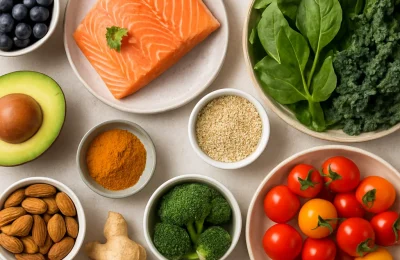
How to Improve Heart Health Naturally

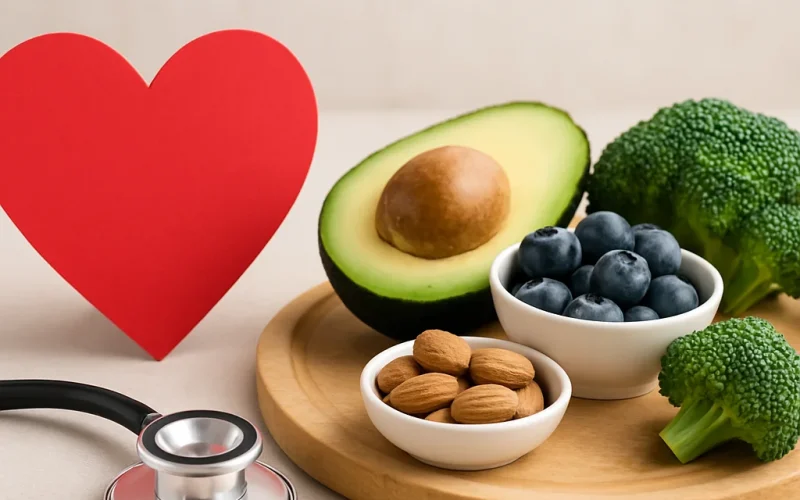
KEY TAKEAWAYS
- Focus on improving blood pressure, LDL cholesterol, blood sugar, inflammation, sleep, and fitness to enhance heart health.
- Adopt a diet similar to the Mediterranean or DASH diet to lower cardiovascular risk.
- Aim for 25-38 grams of fiber daily, including sources like oats, beans, and fruits.
- Replace saturated fats with unsaturated fats, using olive oil, avocados, and fatty fish.
- Limit sodium intake to less than 2,300 mg per day, or 1,500 mg for those with hypertension.
- Engage in at least 150 minutes of moderate-intensity cardio each week, such as brisk walking.
- Incorporate strength training exercises twice a week to improve glucose control and overall health.
- Prioritize 7-9 hours of quality sleep each night to support heart health.
- Manage stress through regular practices like mindfulness or short breathing exercises.
- Monitor key health markers regularly, including blood pressure and cholesterol levels, to track progress.
How to Improve Heart Health Naturally
The best way to improve heart health naturally is to focus on the habits that move the biggest risk markers: blood pressure, LDL cholesterol, blood sugar, inflammation, sleep, and fitness. That means eating more fiber-rich foods, moving your body consistently, sleeping enough, and cutting back on the stuff that quietly hurts your arteries over time.
This guide shows you how to improve heart health naturally with practical steps you can start this week. You’ll learn what to eat, which exercises matter most, how sleep and stress affect your cardiovascular system, and which supplements may help without wasting your money. If you want a plan that’s evidence-based but still realistic, you’re in the right place.
What “natural” heart health really means
“Natural” doesn’t mean unscientific. It means using daily habits first, before reaching for expensive supplements or quick-fix detox claims that do very little for your arteries.
Heart disease usually develops slowly. That gives you room to act. The levers that matter most are diet quality, physical activity, body composition, blood pressure control, sleep, and tobacco avoidance. The American Heart Association’s Life’s Essential 8 is a useful framework here, and it lines up with what I’ve seen work best in real life: consistency beats intensity.
[IMAGE: Heart-healthy plate with salmon, beans, vegetables, and olive oil; alt text: A balanced heart-healthy meal with salmon, beans, vegetables, and olive oil]
If you’re trying to improve heart health naturally, start by measuring something tangible:
- Home blood pressure
- Waist circumference
- Resting heart rate
- Recent lipid panel
- A1C if blood sugar is a concern
A doctor may also check hs-CRP, ApoB, or Lp(a) depending on your risk profile. Those numbers give you a reality check. Your smart watch is not a cardiology clinic, charming as it may be.
Start with your plate: the biggest nutrition wins
The fastest nutrition wins are surprisingly boring, which is probably why they work. A few repeated meals with the right structure can do more for heart health than a cabinet full of “cardio support” capsules.
To improve heart health naturally, aim for a pattern that looks a lot like the Mediterranean diet or DASH diet. Both are linked to better blood pressure and lower cardiovascular risk.
Eat more fiber every day
Fiber helps lower LDL cholesterol and improves blood sugar control. Most adults don’t get enough.
Good targets:
- 25–38 grams per day
- At least 5–10 grams of soluble fiber daily if cholesterol is a concern
Best sources include:
- Oats
- Beans and lentils
- Chia seeds
- Apples
- Pears
- Brussels sprouts
- Psyllium husk
A practical example: a breakfast of plain Greek yogurt, berries, and 2 tablespoons of chia seeds is a lot more heart-friendly than the average pastry-and-coffee combo. It also keeps you full, which may save you from the 10:30 a.m. “emergency” snack run.
Choose fats that help, not harm
Not all fats are equal. Replacing saturated fat with unsaturated fat can improve cholesterol markers.
Use more:
- Extra-virgin olive oil
- Avocados
- Walnuts
- Almonds
- Seeds
- Fatty fish like salmon, sardines, and trout
Keep an eye on:
- Butter
- Processed meats
- High-fat cheese in large amounts
- Packaged baked goods
- Deep-fried foods
A simple swap that matters: use California Olive Ranch or another quality extra-virgin olive oil instead of butter for roasting vegetables. It’s not glamorous, but neither is plaque.
Cut sodium without making food miserable
Lower sodium can help reduce blood pressure, especially if you’re salt-sensitive.
A realistic target:
- Less than 2,300 mg sodium/day
- Some people benefit from 1,500 mg/day, especially with hypertension
Ways to reduce sodium:
- Cook more at home
- Use garlic, lemon, rosemary, cumin, paprika, and black pepper
- Choose no-salt-added canned beans and tomatoes
- Rinse canned beans
- Watch sauces, soups, deli meats, and restaurant meals
This is where labels matter. A “healthy” soup can quietly contain 800–1,200 mg sodium per serving. That’s not a typo. That’s lunch doing a little sabotage.
Build meals that support cholesterol and blood sugar
A good heart-healthy plate often includes:
- Half vegetables
- One quarter lean protein
- One quarter high-fiber carbs
- A small amount of healthy fat
Easy meal examples:
- Salmon, brown rice, and roasted broccoli
- Turkey chili with beans and side salad
- Oatmeal with walnuts and blueberries
- Lentil soup with whole-grain toast
[INTERNAL LINK: Mediterranean diet meal plan]
Move your body for your arteries, not just your appearance
Exercise improves blood pressure, insulin sensitivity, HDL function, mood, and circulation. It also helps with weight management, but heart health benefits show up even when the scale barely budges.
The CDC and major cardiology guidelines generally support:
- 150 minutes per week of moderate-intensity cardio, or
- 75 minutes per week of vigorous activity
- 2 days per week of strength training
That sounds like a lot until you break it down.
Best cardio for heart health
Brisk walking is underrated. Seriously underrated.
A 30-minute walk five days a week is a solid baseline. If that feels too big, split it into 10-minute walks after meals. Post-meal walking can help blunt blood sugar spikes, which matters for long-term heart risk.
Other good options:
- Cycling
- Swimming
- Jogging
- Rowing
- Dancing
- Hiking
If you want a simple test, use the talk test:
- Moderate intensity: you can talk, but not sing
- Vigorous intensity: you can say only a few words at a time
[IMAGE: Person brisk walking outdoors with fitness tracker; alt text: A person brisk walking outdoors to improve cardiovascular fitness]
Strength training helps more than people think
Muscle is metabolically active. More muscle helps with glucose control, mobility, and long-term independence.
Start with:
- Squats
- Push-ups
- Rows
- Deadlifts or hip hinges
- Planks
- Resistance bands
Two 20- to 30-minute sessions per week is enough to begin. I’ve seen people make noticeable progress with a pair of adjustable dumbbells, a $20 resistance band set, and consistent effort in the living room.
If you’re new, keep it simple:
- 1–2 sets per exercise
- 8–12 reps
- Rest 60–90 seconds
- Add weight or reps gradually
Don’t sit all day, even if you exercise
Long stretches of sitting aren’t ideal for cardiovascular health, even if you go to the gym later.
Try:
- A 5-minute walk each hour
- Standing phone calls
- Desk stretches
- A walking meeting when possible
This is one of the easiest ways to improve heart health naturally because it doesn’t require a new identity, just fewer marathons of sitting in one position.
Sleep is a heart-health tool, not a luxury
Sleep affects blood pressure, appetite regulation, stress hormones, and inflammation. Short sleep over time can make it harder to keep your heart markers in a healthy range.
A realistic target is 7–9 hours per night for most adults.
Fix the basics first
The biggest sleep wins are usually unexciting:
- Keep a consistent bedtime
- Get morning light within an hour of waking
- Stop caffeine 8 hours before bed
- Keep the bedroom cool and dark
- Reduce late-night alcohol
Alcohol can make you sleepy but still disrupt sleep architecture. That “one glass knocked me out” feeling often comes with worse sleep quality.
If you snore loudly, wake up gasping, or feel exhausted despite enough time in bed, ask about sleep apnea. Untreated sleep apnea can raise blood pressure and strain the heart over time. [INTERNAL LINK: sleep apnea symptoms and treatment]
Build a 20-minute wind-down routine
A simple routine can help:
- Shower
- Read a physical book
- Stretch lightly
- Journal a few lines
- Use dim lighting
This doesn’t need to be zen-core perfection. It just needs to be repeatable.
Stress matters because your heart hears it too
Chronic stress can push up blood pressure, change eating behavior, and make it harder to exercise or sleep well. You don’t need to eliminate stress. You need better recovery.
Use short tools that actually fit life
Try one or two of these:
- 4-7-8 breathing
- Box breathing
- A 10-minute walk after dinner
- Mindfulness meditation
- Journaling before bed
- Talking to a therapist or coach
The trick is frequency. A five-minute practice done most days beats an hour-long session you quit after Tuesday.
Protect your nervous system with boundaries
A few practical boundaries help more than motivational quotes ever will:
- No work email after a set time
- One screen-free meal daily
- A “last call” for doomscrolling
- One recovery block on weekends
If stress is driving overeating, insomnia, panic, or burnout, it’s worth addressing directly. [INTERNAL LINK: stress management strategies that stick]
Supplements: useful sometimes, overrated often
Some supplements can help, but they’re not a substitute for food, movement, and sleep. I’d spend money on groceries and a blood pressure cuff before buying a flashy “heart support” stack from an ad with ten exclamation points.
Supplements with some evidence
Depending on your needs, a clinician may suggest:
- Omega-3s: may help triglycerides
- Psyllium husk: can lower LDL cholesterol
- Magnesium glycinate: may help if you’re deficient or sleep is poor
- CoQ10: sometimes used by people taking statins who have muscle symptoms
Typical pricing:
- Psyllium husk: about $10–20
- Fish oil: often $15–40/month
- Magnesium glycinate: around $15–25/month
- CoQ10: often $20–50/month
Supplements to be cautious with
Be careful with:
- High-dose niacin
- “Detox” teas
- Proprietary blends
- Unregulated stimulant products
- Anything promising to “clean arteries fast”
If you have high blood pressure, kidney disease, or take medications like statins, blood thinners, or antihypertensives, ask your clinician before starting supplements. Natural doesn’t automatically mean harmless.
What to check medically while improving naturally
Natural strategies work best when paired with simple monitoring. You don’t need to obsess. You do need feedback.
Useful checkpoints:
- Blood pressure every 1–4 weeks at home if elevated
- Lipid panel every 3–12 months depending on risk
- A1C if prediabetes or diabetes is a concern
- Weight and waist every 2–4 weeks
- Fitness markers like walking pace, resting heart rate, or stair endurance
If your blood pressure stays above 130/80, or you have chest pain, shortness of breath, fainting, or strong family history of early heart disease, talk to a clinician. Natural habits still matter, but they don’t replace medical care when risk is high.
A simple 30-day plan to improve heart health naturally
You don’t need to overhaul your life in one weekend. That usually ends with fridge clean-outs and grand intentions.
Try this instead:
Week 1
- Add one high-fiber breakfast
- Walk 10 minutes after one meal daily
- Measure your blood pressure twice
Week 2
- Cook 2 heart-healthy dinners
- Replace one processed snack with fruit and nuts
- Go to bed 30 minutes earlier twice
Week 3
- Add 2 strength sessions
- Reduce restaurant meals by one
- Start a 5-minute breathing practice
Week 4
- Build a repeatable grocery list
- Track resting heart rate or walking pace
- Review your numbers and adjust
If you want a grocery list, recipe set, or beginner workout plan built around heart health, that’s where a good content library saves a lot of guesswork. [INTERNAL LINK: heart-healthy grocery list]
When natural strategies aren’t enough
Some people can make excellent lifestyle changes and still need medication. That’s not failure. It’s risk management.
You may need extra support if you have:
- Very high LDL
- Stage 2 hypertension
- Diabetes
- Prior heart event
- Strong family history
- Genetic issues like familial hypercholesterolemia
A statin, blood pressure medication, or other treatment can work alongside healthy habits. The goal is lower risk, not ideological purity.
The bottom line
If your goal is how to improve heart health naturally, focus on the basics that consistently move the needle: eat more fiber, move more often, sleep enough, manage stress, and monitor the numbers that matter. That combination is boring in the best possible way. It works.
[IMAGE: Heart-healthy weekly checklist on a kitchen counter; alt text: A weekly checklist for improving heart health naturally with food, exercise, sleep, and stress habits]