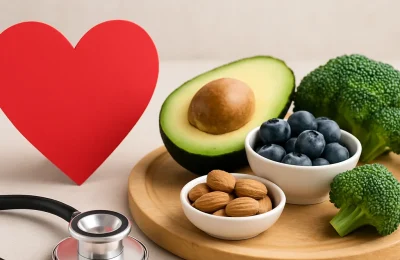
How to Reduce Stress Naturally: Practical Guide


KEY TAKEAWAYS
- Prioritize sleep by maintaining a consistent wake time and creating a calming bedtime routine.
- Consume balanced meals with protein, fiber, healthy fats, and slow carbs to stabilize energy and mood.
- Incorporate daily movement, such as walking or light strength training, to reduce stress hormones over time.
- Practice slow breathing techniques like box breathing or physiological sighs to calm the nervous system.
- Limit caffeine intake, especially in the afternoon, to prevent anxiety and jitteriness.
- Spend time in nature for at least 15 minutes to improve mood and reduce mental fatigue.
- Engage in brief journaling sessions to clarify stressors and identify actionable steps.
- Seek social connections to share feelings and alleviate stress through supportive interactions.
- Consider supplements like magnesium or omega-3s, but prioritize sleep and nutrition first.
- If stress symptoms persist or worsen, consult a healthcare professional for support.
how to reduce stress naturally
How to reduce stress naturally starts with lowering the body’s stress load, not chasing perfect calm. The fastest wins usually come from better sleep, steadier meals, daily movement, and a few nervous-system tools you can actually repeat on a bad Tuesday.
If stress has been running your schedule, this guide will show you how to reduce stress naturally with practical steps that work in real life. You’ll learn which habits calm the stress response, which supplements are worth considering, what to eat, how exercise helps, and when stress crosses the line into something that needs medical support.
What stress does to the body
Stress is not just a feeling. It’s a full-body response involving cortisol, adrenaline, heart rate, digestion, sleep, and mood. Short bursts can help you meet deadlines or react fast in an emergency, but chronic stress keeps the system switched on too long.
That can show up as poor sleep, headaches, tight shoulders, brain fog, digestive issues, or feeling oddly wired and tired at the same time. I’ve also seen the opposite pattern: people who don’t feel “stressed” mentally, but their bodies tell a different story through clenching jaws, shallow breathing, and 3 a.m. wake-ups.
The goal isn’t to eliminate stress completely. That’s not realistic, and frankly, it would make life less interesting in a very suspicious way. The goal is to give your body enough recovery that stress stops stacking up.
[IMAGE: Calm morning routine at kitchen table with tea and journal — alt text: morning routine for reducing stress naturally]
How to reduce stress naturally with the biggest daily levers
If you want the highest return on effort, start here. These basics are boring only until you realize they work.
1) Protect your sleep like it matters
Sleep is the foundation for stress resilience. A poor night’s sleep makes the next day’s stress response sharper, emotions more reactive, and cravings louder. Research consistently links short sleep with higher perceived stress and worse emotional regulation.
A few changes make a real difference:
- Keep a consistent wake time within 30–60 minutes.
- Get 10–20 minutes of morning light outdoors.
- Stop caffeine 8–10 hours before bed if you’re sensitive.
- Dim lights and reduce screens 60 minutes before sleep.
- Keep your room cool, dark, and boring.
I’ve tested the “just one more episode” strategy enough to say this plainly: it usually costs more than it gives. If sleep is broken, fix that first.
For some people, a simple wind-down routine helps: shower, tea, stretch, read 10 pages, lights out. For others, sleep apnea, reflux, or anxiety is the hidden problem. If snoring, gasping, or regular insomnia is part of the picture, get it checked.
2) Eat stable meals, not chaos snacks
Blood sugar swings don’t cause all stress, but they can absolutely make you feel more anxious, irritable, and shaky. A breakfast of coffee and a protein bar the size of a thumb drive is not exactly stress therapy.
Aim for meals with:
- Protein: eggs, Greek yogurt, tofu, chicken, lentils
- Fiber: berries, vegetables, oats, beans, chia
- Healthy fats: olive oil, avocado, nuts, seeds
- Slow carbs: potatoes, brown rice, quinoa, fruit
A practical target is 20–30 grams of protein per meal for many adults. If you’re stress-eating in the afternoon, front-loading protein at breakfast often helps more than willpower ever will.
Some people also notice fewer stress spikes when they reduce ultra-processed foods and energy drink overuse. That doesn’t mean food is moral, and it doesn’t mean a cookie caused your burnout. It does mean your nervous system tends to prefer steadier inputs.
[INTERNAL LINK: healthy high-protein breakfast ideas]
3) Move your body, but don’t use exercise as punishment
Exercise lowers stress hormones over time and improves mood through several pathways, including better sleep, improved insulin sensitivity, and neurotransmitter changes. A 20-minute walk can be enough to shift your state if you’re flooded and stuck.
Best options for stress relief:
- Walking outside, especially after meals
- Zone 2 cardio: brisk but conversational pace
- Yoga or mobility work
- Light strength training 2–4 times weekly
- Stretch breaks if you sit all day
You do not need a brutal workout when you’re already depleted. If you’re under heavy stress, going from zero to six sweaty sessions a week can backfire. Recovery matters. So does not turning exercise into another performance review.
A good rule: finish most sessions feeling better than when you started.
4) Use breathing techniques that actually downshift the nervous system
Breathing sounds too simple, which is exactly why people ignore it until they try it. Slow breathing can increase parasympathetic activity and reduce the physical edge of stress.
Useful techniques:
- Physiological sigh: two short inhales through the nose, long exhale through the mouth; repeat 1–3 minutes
- Box breathing: inhale 4, hold 4, exhale 4, hold 4
- Extended exhale breathing: inhale 4, exhale 6–8
Start with 2–5 minutes, once or twice daily. Use it before a difficult conversation, after checking email, or while waiting for your pasta water to boil, which is a surprisingly stressful life stage.
The goal isn’t to “clear your mind.” The goal is to tell your body the emergency is over.
Food, caffeine, and supplements: what helps and what doesn’t
There’s no magic tea that makes a mortgage payment disappear. Still, some nutrition choices do help stress feel more manageable.
Nutrients that support stress resilience
Certain nutrients matter more when stress is high:
- Magnesium: found in pumpkin seeds, almonds, spinach, black beans, and dark chocolate
- Omega-3 fats: salmon, sardines, chia, flax
- B vitamins: leafy greens, eggs, legumes, meat, fortified foods
- Vitamin C: citrus, kiwi, bell peppers, strawberries
A Mediterranean-style eating pattern is one of the most reliable foundations because it supports brain health, heart health, and more stable energy. It’s not flashy. That’s part of its charm.
Caffeine: useful tool, messy companion
Caffeine can sharpen focus, but too much can mimic anxiety. If you already feel edgy, assess whether your “stress” is partly three coffees and a deadline.
A few guardrails help:
- Keep caffeine earlier in the day
- Try 1–2 cups of coffee instead of energy drinks
- Avoid caffeine on an empty stomach if it makes you jittery
- Test a week with no caffeine after noon
If you want to reduce stress naturally, this is one of the easiest experiments to run.
Supplements: a cautious, evidence-aware view
Some supplements may help, but they’re not a replacement for sleep and food. They also vary in quality, and labels can be optimistic in the way only supplement labels can be.
Commonly used options include:
- Magnesium glycinate: often taken at 200–400 mg elemental magnesium in the evening
- L-theanine: commonly 100–200 mg, sometimes paired with caffeine
- Ashwagandha: used in some studies for stress, but not ideal for everyone
- Omega-3 supplements: useful if you rarely eat fatty fish
A 2023 meta-analysis in the journal Nutrients found magnesium supplementation may reduce subjective stress in some populations, though results vary. Ashwagandha has also shown stress-reducing effects in randomized trials, but it may not be appropriate if you have thyroid issues, are pregnant, or take certain medications.
If you’re considering supplements, choose brands with third-party testing like USP, NSF Certified for Sport, or Informed Choice. Quality matters. So does not buying a bottle because the packaging has a mountain on it.
[IMAGE: Supplement shelf with magnesium, omega-3, and tea — alt text: supplements that may support stress reduction naturally]
Natural stress relief techniques you can use today
A real plan needs tools for the moment stress hits. These are the best low-cost options I’ve found for everyday use.
1) Time in nature
You don’t need a forest retreat and a linen outfit. A 15–30 minute walk in a park can lower mental fatigue and improve mood. Nature exposure seems to help people recover attention and soften the stress response.
If you live in a city, use what you’ve got:
- Tree-lined streets
- A local park bench
- Waterfront paths
- A quiet neighborhood loop
Put the phone away for part of the walk. Your nervous system will survive the silence.
2) Journaling for mental clutter
Journaling works best when it’s brief and specific. Try a 5-minute brain dump or this prompt:
- What’s stressing me?
- What’s within my control today?
- What can wait 24 hours?
This helps separate real action from mental static. It’s not magic. It’s organization for your brain.
3) Social connection
Stress gets heavier when it stays private. A supportive text, quick voice note, or coffee with a friend can help regulate your mood more than another productivity app ever will.
You don’t need a long therapy-style conversation every time. Sometimes “This week is a lot” is enough to let a little pressure out of the system.
4) Massage, heat, and downshifting rituals
Massage, sauna, warm baths, and heated showers can all help you relax. The evidence is mixed but promising for perceived stress and muscle tension.
A few real-world options:
- A 30-minute massage at a local clinic
- Infrared sauna sessions, if tolerated
- A 10-minute hot shower followed by slow breathing
- Heat pack on the neck or upper back
These are especially useful if stress shows up physically as tight traps or jaw clenching.
Building a stress-reduction routine that sticks
The best plan is the one you’ll do on an average Wednesday. Not the one that requires a new personality.
Start with this simple structure:
Morning
- Get outside within an hour of waking
- Eat a protein-forward breakfast
- Delay caffeine for 60–90 minutes if possible
Midday
- Take a 10-minute walk after lunch
- Use one breathing reset before a meeting
- Drink water before your second coffee
Evening
- Stop work at a set time
- Eat dinner without scrolling if you can manage it
- Begin a short wind-down routine
If you want a more structured approach, [INTERNAL LINK: stress management routine for busy adults] can help you turn these into a repeatable weekly plan.
The real trick is making stress reduction boring in a good way. Same time. Same cues. Same response. That’s how habits stick under pressure.
When natural stress management isn’t enough
Sometimes stress is not just stress. If you’ve had persistent anxiety, panic attacks, low mood, sleep disruption, appetite changes, or physical symptoms for weeks, it may be time to speak with a clinician or therapist.
Get help sooner if you notice:
- Chest pain or shortness of breath
- Frequent panic symptoms
- Substance use increasing to cope
- Inability to function at work or home
- Thoughts of self-harm
Natural strategies still matter here, but they work best alongside proper support. That’s not failure. That’s good judgment.
A realistic 7-day plan to reduce stress naturally
Try this for one week:
- Day 1: Set a fixed wake time
- Day 2: Add a 10-minute morning walk
- Day 3: Eat 20–30 grams of protein at breakfast
- Day 4: Practice 3 minutes of breathing after lunch
- Day 5: Cut caffeine after noon
- Day 6: Do a 20-minute low-intensity workout
- Day 7: Journal your biggest stress triggers
If you do only three things, choose sleep, movement, and breathing. They’re the simplest tools with the widest payoff.
For readers who want to go deeper, [INTERNAL LINK: best foods for stress and anxiety] and [INTERNAL LINK: bedtime habits for better sleep] are the next logical steps.
Key takeaways from the science and the real world
- Sleep is your biggest stress multiplier.
- Protein and fiber stabilize energy and mood.
- Walking beats waiting for motivation.
- Slow breathing calms the stress response.
- Supplements can help, but basics come first.
- Consistency matters more than intensity.
- Get help if symptoms are persistent.
FAQ
What is the fastest way to reduce stress naturally?
Slow breathing and a short walk are the fastest tools most people can do anywhere. A 2–5 minute breathing reset plus 10 minutes outside can lower the physical edge of stress quickly.
What foods help reduce stress naturally?
Foods rich in magnesium, omega-3s, B vitamins, and vitamin C are helpful. Think salmon, Greek yogurt, eggs, beans, berries, spinach, pumpkin seeds, and oats.
Does exercise really help with stress?
Yes, but the type matters. Moderate movement like walking, yoga, and light strength training usually helps more than punishing workouts when you’re already exhausted.
Which supplement is best for stress?
There isn’t one best supplement for everyone. Magnesium glycinate and L-theanine are commonly used, but quality, dosage, medications, and health conditions all matter.
How long does it take to feel less stressed?
Some techniques, like breathing and walking, can help within minutes. Deeper changes, like better sleep and consistent routines, usually take 1–3 weeks to feel noticeable.
When should I see a doctor about stress?
If stress is affecting sleep, mood, work, relationships, or physical health for more than a couple of weeks, it’s worth getting support. Seek help sooner if you have panic symptoms, chest pain, or thoughts of self-harm.
[PRIMARY CTA] Want a stress plan that fits your life, not a fantasy schedule? Explore iHealthLiving’s science-backed guides on sleep, nutrition, fitness, and mental wellness to build a routine you’ll actually keep.