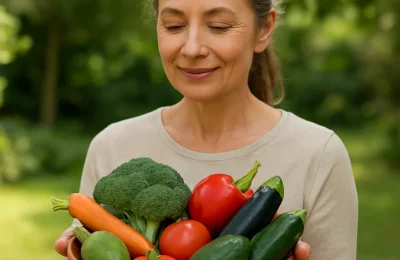
Best Anti-Inflammatory Foods List for Daily Eating

KEY TAKEAWAYS
- Incorporate fatty fish like salmon and sardines into your diet for their omega-3 fatty acids that help regulate inflammation.
- Use extra-virgin olive oil as a staple for its anti-inflammatory properties and healthy fats.
- Add a variety of berries to your meals for their fiber and antioxidants that combat inflammation.
- Aim to include 1-2 cups of leafy greens daily for their vitamins and minerals that support overall health.
- Incorporate cruciferous vegetables like broccoli and Brussels sprouts to aid in detoxification and reduce inflammation.
- Include nuts and seeds in your diet for their fiber and healthy fats, which can help lower inflammation.
- Utilize beans and lentils as a source of plant protein and fiber to support gut health and stabilize blood sugar.
- Cook with garlic and onions for their sulfur compounds that promote gut health and may reduce inflammation.
- Limit ultra-processed snacks, sugary drinks, and refined carbs to help keep inflammation levels down.
- Start small by adding two or three anti-inflammatory foods to your meals this week for gradual improvement.
Best anti-inflammatory foods list
The best anti-inflammatory foods list is built around colorful plants, omega-3-rich fish, fiber, herbs, spices, and minimally processed fats. If you eat mostly whole foods and keep ultra-processed snacks on the sidelines, you’ll already be doing the heavy lifting for inflammation control.
This guide shows you which foods to prioritize, how they work, what to buy, and how to use them in real meals without turning dinner into a nutrition lecture. You’ll also get practical swaps, a simple shopping framework, and the caveats most lists skip. That matters, because not every “anti-inflammatory” food is a magic shield, and some trendy claims are basically expensive folklore in a jar.
What inflammation is, and why food matters
Inflammation isn’t automatically bad. Acute inflammation helps you heal after a cut, a workout, or an infection. Chronic low-grade inflammation is the troublemaker, and it’s linked with heart disease, type 2 diabetes, fatty liver disease, some cancers, and worse metabolic health.
Food can push inflammation up or down over time. The biggest pattern I’ve seen in evidence-based nutrition is this: diets rich in fiber, omega-3 fats, polyphenols, and unsaturated fats tend to support a lower inflammatory burden. Diets heavy in refined carbs, trans fats, excess alcohol, and ultra-processed foods usually do the opposite.
A useful mental model: don’t chase one “superfood.” Build a consistent eating pattern that gives your immune system fewer reasons to overreact.
What the research tends to show
Studies on the Mediterranean diet are a good reference point because they consistently include olive oil, nuts, legumes, vegetables, fruit, and fish. Large trials such as PREDIMED found improvements in cardiovascular outcomes, and diet quality is repeatedly associated with lower inflammatory markers like C-reactive protein (CRP) in observational research.
That said, food isn’t a prescription pad. If someone has inflammatory bowel disease, rheumatoid arthritis, or another condition, diet is one piece of the puzzle, not the whole treatment plan.
Best anti-inflammatory foods list: the core winners
This is the list I’d start with if I were stocking a kitchen from scratch. It’s practical, affordable enough to repeat, and backed by a solid body of research.
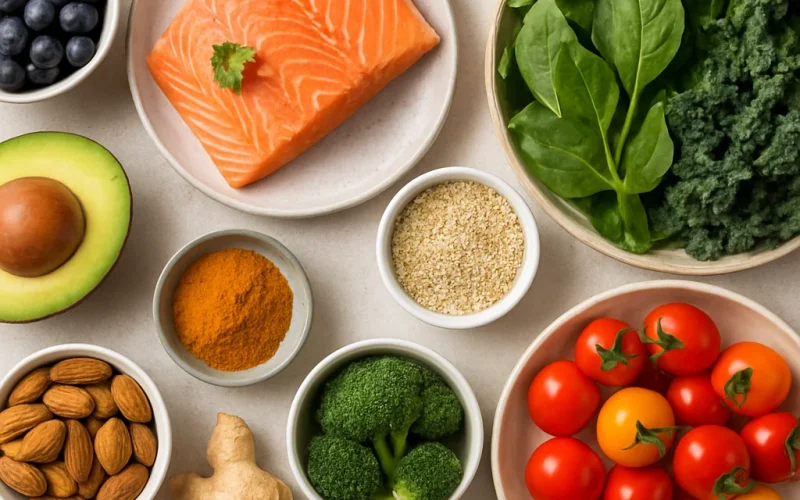
[IMAGE: Bowl of berries, salmon, olive oil, and leafy greens | Alt text: Anti-inflammatory foods including berries, salmon, olive oil, and leafy greens]
1) Fatty fish
Think salmon, sardines, mackerel, herring, and trout. These are rich in EPA and DHA omega-3 fatty acids, which help regulate inflammatory pathways.
A typical 4-ounce salmon fillet can run $6–$12 depending on whether it’s wild-caught and where you shop. Canned sardines are the budget hero here, often around $2–$4 per tin at stores like Trader Joe’s, Costco, or Aldi.
Best use: bake, broil, grill, or flake into salads and grain bowls.
2) Extra-virgin olive oil
Extra-virgin olive oil is a staple in anti-inflammatory eating for a reason. It contains oleocanthal, a compound studied for anti-inflammatory properties, along with monounsaturated fats and polyphenols.
Look for cold-pressed or extra-virgin bottles with harvest dates when possible. I’ve seen good bottles from California Olive Ranch, Partanna, and Kirkland Signature ranging from $10–$25 depending on size and quality tier.
Best use: salad dressings, roasted vegetables, drizzled on beans, or finishing soups.
3) Berries
Blueberries, strawberries, raspberries, and blackberries bring fiber and anthocyanins, the pigments that give them their deep color. Those compounds are tied to better oxidative stress and inflammation profiles.
Frozen berries are often the smarter buy. A 16-ounce bag is usually cheaper than fresh and works perfectly in smoothies, yogurt, or oatmeal.
Best use: breakfast bowls, chia pudding, or as a dessert swap.
4) Leafy greens
Spinach, kale, arugula, Swiss chard, and collards are packed with folate, vitamin K, vitamin C, and carotenoids. They’re not glamorous, which probably explains why people treat them like a side character. That’s a mistake.
Aim for at least 1–2 cups daily, cooked or raw. Baby spinach is the most forgiving if you’re not used to bitter greens.
Best use: omelets, sautés, soups, or blended into smoothies.
5) Cruciferous vegetables
Broccoli, Brussels sprouts, cabbage, cauliflower, and bok choy contain glucosinolates, which support detoxification pathways in the body’s own boring-but-useful way.
Roasting these vegetables at 425°F for 20–25 minutes with olive oil, salt, and garlic turns them from “health food obligation” into actual dinner. Small miracle.
Best use: sheet-pan meals, slaws, stir-fries, and grain bowls.
6) Nuts and seeds
Walnuts, almonds, chia seeds, flaxseeds, hemp seeds, and pumpkin seeds provide fiber, plant fats, and minerals. Walnuts are especially notable for ALA omega-3s, while flax and chia are high in soluble fiber.
A 1-pound bag of ground flaxseed often costs $4–$8 and lasts a while if stored in the fridge. That’s one of the best nutrition-to-dollar ratios in the grocery aisle.
Best use: sprinkle over yogurt, oatmeal, salads, or blend into smoothies.
7) Beans and lentils
Black beans, chickpeas, kidney beans, lentils, and cannellini beans are anti-inflammatory overachievers. They offer fiber, resistant starch, and plant protein, which support blood sugar stability and gut health.
A can of beans is still one of the cheapest health foods around, usually $1–$2. If you cook dry beans, a batch in an Instant Pot can make enough for several meals with almost no effort.
Best use: soups, chili, hummus, tacos, and grain bowls.
8) Tomatoes
Tomatoes provide lycopene, a carotenoid that becomes more bioavailable when cooked. That means tomato sauce, paste, and soup are not “less healthy” than fresh tomatoes. Sometimes they’re better.
Choose no-sugar-added canned tomatoes for convenience. A simple marinara can become a very solid anti-inflammatory base with olive oil, garlic, basil, and red pepper flakes.
Best use: sauces, stews, shakshuka, and roasted vegetable dishes.
9) Turmeric and ginger
These spices get a lot of attention, and for once the hype isn’t entirely fabricated. Curcumin in turmeric and gingerols in ginger have been studied for their anti-inflammatory effects.
Turmeric works better paired with black pepper, which contains piperine and helps absorption. Ginger is easy to add fresh to tea, smoothies, stir-fries, and marinades.
Best use: soups, curry, golden milk, dressings, and tea.
10) Garlic and onions
Garlic and onions contain sulfur compounds and prebiotic fibers that support gut bacteria. That gut connection matters more than many people realize, since gut health and inflammation are closely linked.
Fresh garlic is cheap, flavorful, and hard to beat. If you cook often, keeping a bulb or two on hand is a small habit with outsized payoff.
Best use: sautéed into nearly anything savory.
11) Fermented foods
Plain yogurt, kefir, kimchi, sauerkraut, miso, and tempeh can support a healthier gut microbiome, depending on the person and the product. Fermented foods aren’t a cure-all, but they can fit nicely into an anti-inflammatory eating pattern.
Check labels for added sugar and excess sodium. Some store-bought kimchi and sauerkraut are great; some are basically salty pickles wearing a health halo.
Best use: breakfast bowls, side dishes, soups, and marinades.
12) Green tea and coffee
Both contain polyphenols, and both can fit into an anti-inflammatory routine if you tolerate them well. Green tea offers EGCG, a well-studied catechin. Coffee brings chlorogenic acids and, for many people, a daily mood reset before the meetings start.
Skip the 300-calorie coffee drink if inflammation and metabolic health are your goal. The drink itself isn’t the issue; the sugar bomb is.
Best use: unsweetened or lightly sweetened, earlier in the day.
How to build a meal from the best anti-inflammatory foods list
The easiest way to use the best anti-inflammatory foods list is not to memorize every item. It’s to assemble meals using a repeatable formula.
Use this template:
- 1 protein: salmon, sardines, lentils, tofu, yogurt
- 2 vegetables: leafy greens plus cruciferous or tomatoes
- 1 fiber-rich carb: beans, quinoa, oats, sweet potato
- 1 healthy fat: olive oil, avocado, nuts, seeds
- 1 flavor boost: garlic, ginger, turmeric, herbs, lemon
That structure keeps meals satisfying without making them weirdly austere.
Example meals that actually fit real life
- Breakfast: Greek yogurt, blueberries, ground flax, walnuts, cinnamon
- Lunch: lentil salad with arugula, tomatoes, cucumbers, olive oil, lemon
- Dinner: baked salmon, roasted broccoli, brown rice, and garlic tahini sauce
- Snack: apple with almond butter or hummus with carrots
If you want a bigger reset, a 7-day anti-inflammatory meal plan can save a lot of decision fatigue. [INTERNAL LINK: 7-day anti-inflammatory meal plan]
[IMAGE: Salmon bowl with greens and quinoa | Alt text: Anti-inflammatory salmon bowl with leafy greens, quinoa, and vegetables]
Foods that often get mislabeled as anti-inflammatory
This is where people get tripped up. A few foods have a health reputation that outpaces the evidence.
Common overhyped items
- Coconut oil: fine in small amounts, but high in saturated fat
- Fruit juice: vitamins exist, but the fiber doesn’t
- “Detox” teas: usually expensive bathroom logistics
- Sweetened yogurt: dessert in a wellness costume
- Granola bars: often more sugar than substance
The best anti-inflammatory foods list works because it emphasizes patterns, not branding. A food doesn’t become anti-inflammatory just because the package is beige and the font looks expensive.
What to limit if you want inflammation to stay lower
Food quality matters as much as food choice. If your pantry is stacked with the wrong stuff, the anti-inflammatory foods only do so much heavy lifting.
Try to reduce:
- Ultra-processed snacks
- Sugary drinks
- Refined baked goods
- Processed meats
- Frequent deep-fried foods
- Trans fats and repeated fryer oils
- Excess alcohol
You don’t need a perfect diet. You need fewer daily inflaming patterns. That’s a much more realistic target, and it works better in the long run.
A simple grocery list you can use this week
If you’re trying to shop without wandering aimlessly through the produce aisle like a confused extra in a cooking show, start here.
Grocery list by aisle
Produce
- Spinach
- Broccoli
- Tomatoes
- Blueberries
- Garlic
- Onions
- Lemon
- Ginger
Protein
- Salmon
- Sardines
- Plain Greek yogurt
- Lentils
- Chickpeas
- Tofu
Pantry
- Extra-virgin olive oil
- Ground flaxseed
- Walnuts
- Chia seeds
- Brown rice
- Oats
- Turmeric
- Black pepper
Fermented
- Kefir
- Sauerkraut
- Kimchi
- Miso
For more practical food planning, pair this with [INTERNAL LINK: healthy grocery shopping on a budget].
[IMAGE: Grocery cart with produce, fish, nuts, and olive oil | Alt text: Grocery cart with anti-inflammatory foods like produce, fish, nuts, and olive oil]
Who should be extra careful with anti-inflammatory diets
The best anti-inflammatory foods list is generally safe for most adults, but there are exceptions.
- People on blood thinners should ask about large changes in vitamin K intake from leafy greens.
- Those with IBS or FODMAP sensitivity may need to adjust beans, onions, and garlic.
- People with fish allergies need other omega-3 sources, like chia, flax, or algae-based supplements.
- Anyone with kidney disease may need guidance on potassium, phosphorus, and protein.
If you’re managing a chronic condition, ask your clinician or registered dietitian before making major diet changes. Food should help, not create a new problem.
Bottom line: what matters most
If you only remember one thing, make it this: the best anti-inflammatory foods list is less about one magic item and more about a repeated pattern. Fatty fish, olive oil, berries, leafy greens, beans, nuts, spices, and fermented foods are the core group worth building around.
Start with two or three additions this week. Swap refined snacks for nuts and fruit, add one extra vegetable at dinner, and cook with olive oil instead of seed-oil-heavy convenience foods when you can. Small changes compound, which is annoyingly unsexy and extremely effective.
For more food-first guidance, explore our nutrition guides and meal plans at iHealthLiving. [INTERNAL LINK: anti-inflammatory recipes and meal plans]
FAQ
What is the best anti-inflammatory food of all?
There isn’t one single winner, but fatty fish like salmon and sardines are among the strongest choices because of their omega-3 content. If you eat plant-based, berries, flaxseed, walnuts, and olive oil are excellent staples too.
Can anti-inflammatory foods help joint pain?
They can help some people, especially when joint pain is part of a broader inflammatory pattern. Diet won’t fix every case, but improving food quality can support lower inflammation over time alongside medical care, movement, and sleep.
How long does it take to notice a difference?
Some people feel better in 2–4 weeks, especially if they cut back on ultra-processed food, alcohol, and sugary drinks. Blood markers and bigger symptom changes may take longer, often 8–12 weeks or more.
Is the Mediterranean diet anti-inflammatory?
Yes, it’s one of the best-studied anti-inflammatory eating patterns. It emphasizes olive oil, fish, legumes, vegetables, fruit, nuts, and whole grains, which is basically the greatest hits album of the best anti-inflammatory foods list.
Do I need supplements to fight inflammation?
Not usually. Food first is the better strategy, and supplements should fill specific gaps rather than replace meals. If you’re considering omega-3s, curcumin, or vitamin D, it’s smart to check with a clinician and choose reputable brands.
Are all seed oils inflammatory?
The evidence doesn’t support that blanket claim. The bigger issue is the overall dietary pattern and the degree of processing, not one oil used in isolation. Olive oil is still the easiest default for most home cooking.
[PRIMARY CTA] Want a clearer plan without the noise? Explore iHealthLiving’s research-backed nutrition guides, meal plans, and anti-inflammatory recipe ideas to build a routine that actually fits your life.